Kimchi Jjigae with Tomato Was Surprisingly Good
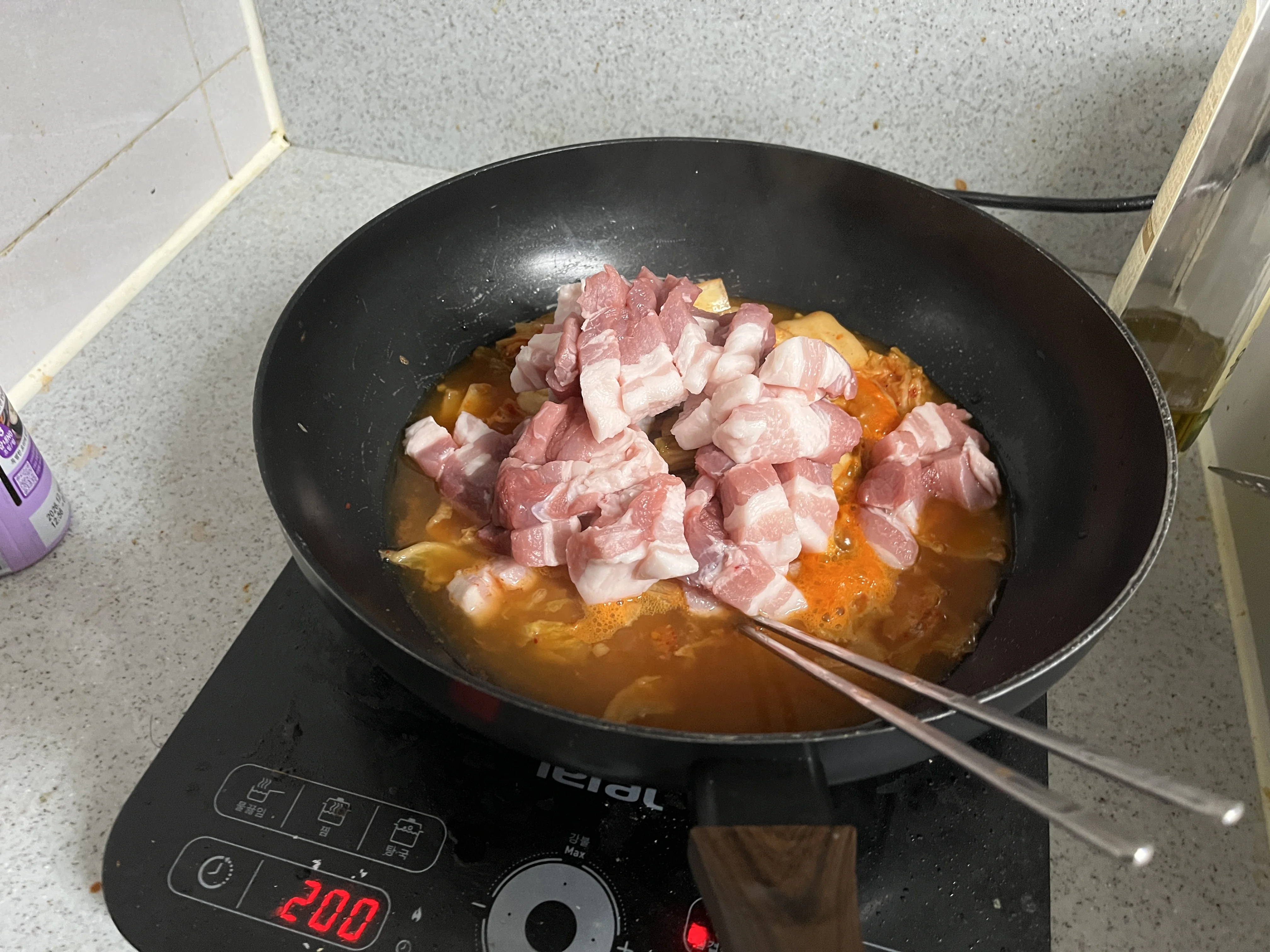
Kimchi jjigae is one of the most commonly cooked dishes in Korea, but making it taste good is harder than it seems. I tried making it several times, but it often turned out closer to kimchi soup than kimchi jjigae.
Compared to jjigae, Korean soup, or guk, usually has more broth and a cleaner, lighter taste. The kimchi jjigae I made at home always leaned in that direction. Instead of a deep, rich flavor, it tasted more like a somewhat bland kimchi soup. So I did not often make kimchi jjigae at home.
Then I came across a YouTube video by Kang Leo, a well-known Korean chef. Chef Kang Leo described kimchi jjigae as a “boring dish.” In a good way, he meant that you do not need to overthink it. You just put all the ingredients in and let them simmer long enough.
Ingredients
- Kimchi - Pork, I used pork belly - Tofu - Korean anchovy fish sauce, myeolchi-aekjeot - Yondu, or a similar umami seasoning - Tomato - Paprika - Hot sauce, I used Tabasco - Korean red pepper powder, gochugaru
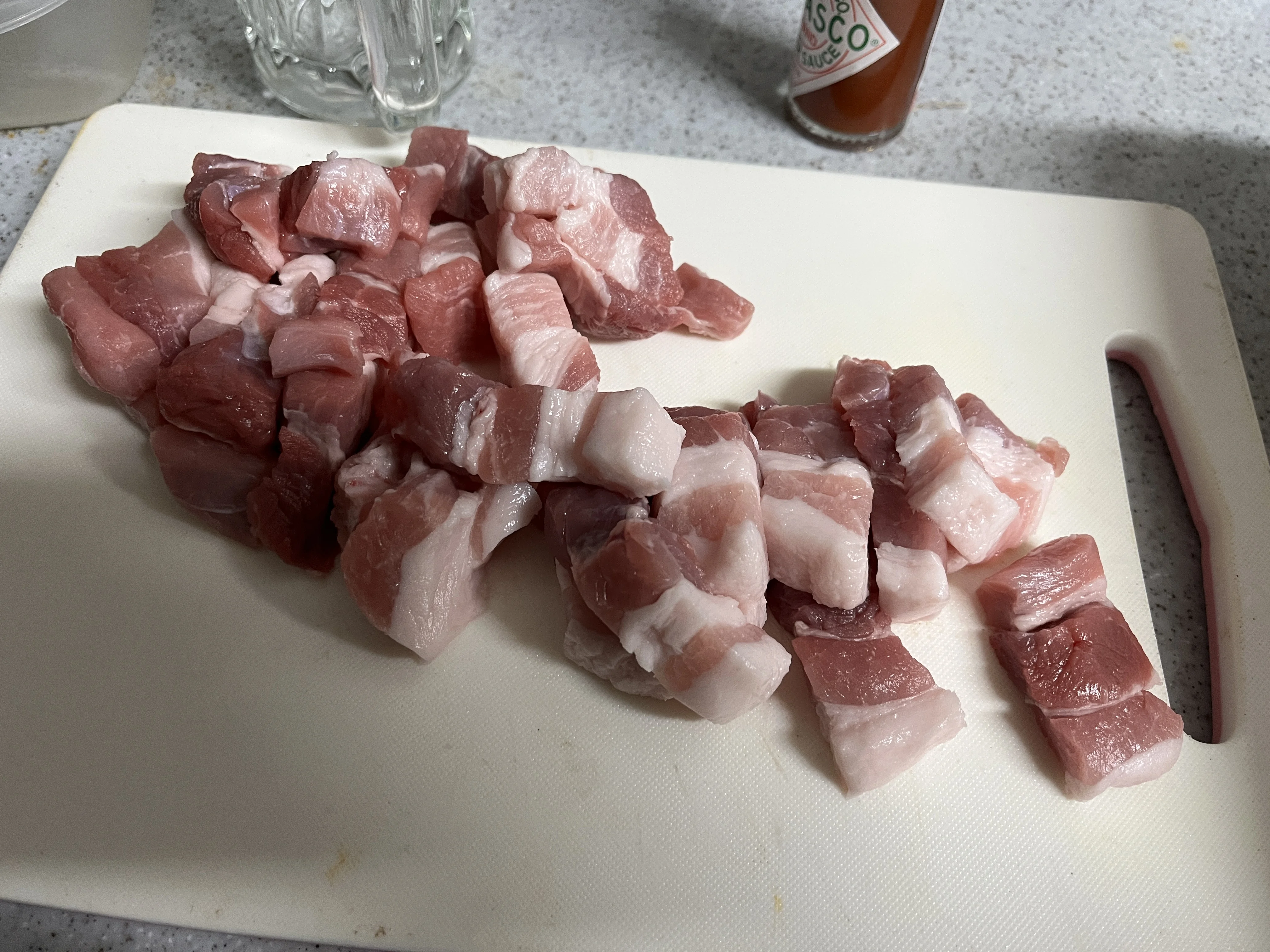
The method is simple.
Add a suitable amount of each ingredient and boil everything together. Basically, just throw everything in, then adjust the taste with Yondu, fish sauce, and hot sauce. Easy, right?
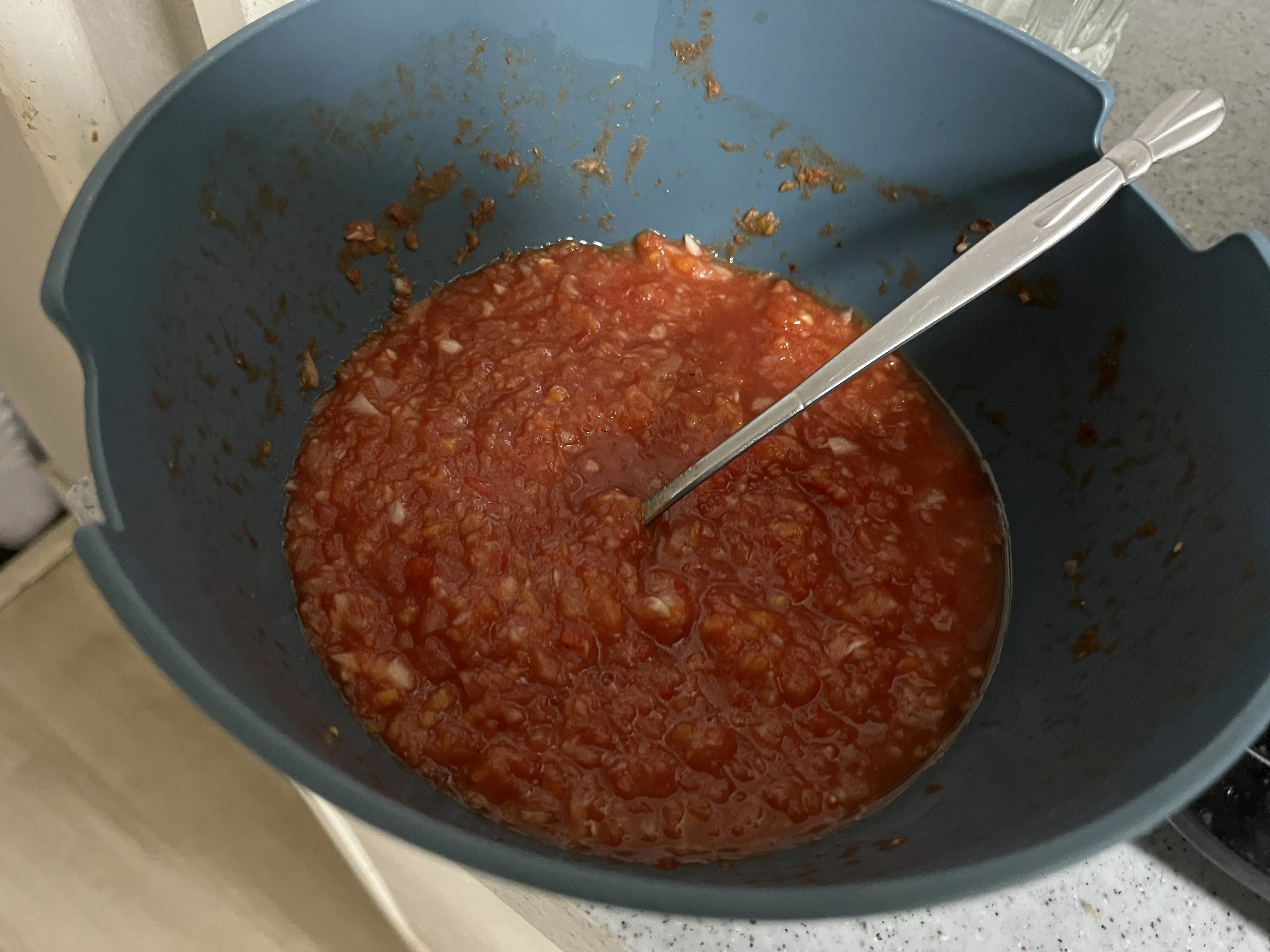
Then let it simmer for a good while, and it is done.
Chef Kang Leo used chopped tomato and onion to bring out umami and sweetness. This time, I had tomato purée and blended paprika, so I used those instead.
To be honest, when I first tasted it, I thought I might have ruined it. The paprika aroma was stronger than I expected, and I did not think tomato worked that well with kimchi jjigae.
But that was just my bias.
I would not say I am a great cook, but this was the best kimchi jjigae I have made so far. In Korean cooking, tomato is not used very often, so I think I had an unconscious prejudice against it. I assumed chili and tomato would not go well together. But when you think about it, chili and tomato together make salsa. So it actually makes sense.
Paprika was also a little too aromatic to completely replace onion, but after simmering it long enough, its sweetness came out and blended quite well.
This is a bit of a side note, but as I get older and experience more food, the way I think about ingredient combinations has changed. In the past, only familiar combinations felt natural to me. These days, I find myself thinking that if the energy source or flavor direction is similar, a wider range of combinations can work.
For example, rice with meat and bread with meat do not feel strange at all. Bread with chocolate also feels natural. But chocolate with rice sounds quite unfamiliar from a Korean perspective. Still, it may not be such an impossible combination.
We do not usually pour chocolate over plain rice, but in the Philippines there is a dish called champorado, a kind of chocolate rice porridge. Come to think of it, Korea’s sweet red bean porridge may also be in a similar category. The ingredients are different, but both are sweet dishes made by cooking grains or starchy ingredients. In that sense, the combination is not as strange as it first sounds.
Coming back to kimchi jjigae, Yondu and fish sauce can be replaced with similar umami seasonings available where you live. Tabasco is not absolutely necessary, but I found it quite helpful. It adds a little acidity and heat, making the flavor of the kimchi jjigae feel sharper and clearer.
The conclusion is simple.
Do not think of kimchi jjigae as something too difficult. Just throw everything in and simmer it well. Ingredients that may feel unfamiliar, like tomato or paprika, can work better than expected. If your kimchi jjigae has always turned into kimchi soup like mine used to, this method is worth trying at least once.